Read more

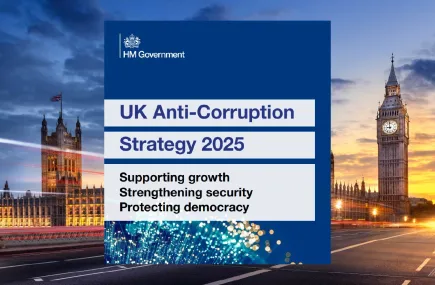
As we settle into 2026, attention turns to the implementation of the UK Anti-Corruption Strategy launched in December last year.
In a changing global anti-corruption landscape, we’re pleased to see, for the first time, business integrity is a standalone outcome with dedicated commitments to help UK businesses identify and prevent corruption at home and overseas, alongside commitments on strengthening enforcement and tackling illicit finance. What does this mean for businesses integrity and anti-corruption?
With 55% of companies having no core anti-corruption measures in place, there’s a significant gap in UK businesses’ preventative frameworks and a clear need for urgent action.
In the lead up to the strategy’s publication, various UK law enforcement agencies, including the Serious Fraud Office (SFO) and Crown Prosecution Service (CPS), published clarifying guidance on corporate prosecutions and self-reporting.
It’s good to see commitments to provide more guidance, through a new Home Office online portal, for SMEs in particular, which tend to have less internal resource to manage corruption risk yet obviously need some compliance measures. The SFO too will issue guidance for businesses as part of, we assume, the Prevent programme identified in the SFO’s 2025-26 business plan.
Our own guidance for companies on anti-corruption compliance is a good place to start in the meantime. We welcome the Government’s commitment to work with civil society to support further resource development.
Active enforcement is critical to ensure corrupt actors and those who enable them are held to account. We hope the commitment in the strategy to explore additional funding for law enforcement results in sustained investment.
The Government’s white paper on policing out this week, proposes establishing a National Police Service among other reforms, and paves the way to change the way serious crime, including fraud, is investigated. The SFO is not mentioned in the white paper and we take from this it will remain a separate specialised agency.
We’d hope to see the positive momentum on enforcement continue under the leadership of the next Director. As Director of the SFO, Nick Ephgrave has prioritised proactive enforcement including conducting more dawn raids, leveraging technology and AI, and spearheading the formation of the UK-France-Switzerland prosecutorial taskforce.
As the strategy highlights, corruption does not only takes place overseas. It’s a domestic problem too requiring UK based solutions like the expansion of the new Domestic Corruption Unit in the City of London Police, which we welcome.
Going forward, the focus on tackling international and domestic corruption must not be diminished in any structural changes to police institutions.
While the strategy doesn’t say anything new about corporate self-reporting, it reflects the SFO’s carrot-and-stick approach to enforcement with the commitment to “clarify and strengthen incentives for self-reporting” with reference to the SFO’s External Guidance on Corporate Cooperation and Enforcement (April 2025) which clarifies the SFO's position on Deferred Prosecution Agreements (DPA). While a DPA can’t substitute proper accountability, it’s costly and risky to run a trial with SFO’s guidance setting out a presumption in favour of a DPA where there’s prompt self-reporting and “genuine cooperation” (unless there are exceptional circumstances).
The commitment to strengthen enforcement coupled with clarifications from the CPS and SFO on the link between corporate prosecutions and compliance effectiveness should incentivise companies to proactively review and strengthen their anti-corruption controls.
As the strategy recognises, and our own research shows, corruption amplifies the risk of human rights and environmental harm. It’s good to see express reference to corruption as the “cornerstone” of the Government’s approach to responsible business conduct and the potential for “public advantages” and other incentives for companies with anti-bribery measures in place. We’ll watch with interest for more clarity on developments here.
Strong anti-bribery and corruption controls are critical for fair competition. Framing business integrity in overseas markets around competitiveness in the strategy shows leadership internationally. We welcome the continuing commitment to incorporate anti-corruption provisions into trade agreements and we’d want to see robust commitments included in all agreements currently under negotiation.
The commitment to have diplomatic missions advise companies on anti-corruption, while perhaps not a natural port of call for raising concerns, should positively encourage collective action in high-risk markets and information flows to UK law enforcement.
The strategy rightly recognises that whistleblowers play a crucial role in the fight against corruption. HMRC’s new pilot Strengthened Reward Scheme offers incentives for individuals who report serious tax avoidance or evasion. This test inevitably supports the Director of the SFO's push for whistleblower rewards to provide law enforcement with “smoking gun” evidence in economic crime cases.
Incentives for whistleblowers don’t seem to be going anywhere. We welcome the commitment in the strategy for more legal protections and support, given the considerable risks involved, and echo Protect’s concerns about clarity over support in the HRMC regime.
Companies should ensure their internal speak up channels are trusted, effective and contain appropriate safeguards and don't deter whistleblowers from reporting concerns through government reporting channels.
The strategy acknowledges the important role industry plays in preventing corruption and money laundering. These interrelated threats require better policing of firms which help corrupt individuals launder their wealth. Moving to a single anti-money laundering and counter terrorist financing supervisor, something we’ve advocated for years, is a positive step confirmed in the strategy. We’d now want to see the Financial Conduct Authority set up to succeed in its new role with tougher enforcement for money laundering violations.
The UK-hosted Countering Illicit Finance Summit in June this year is an excellent opportunity for collective action between the private sector, governments and civil society to drive commitments and sustain real change.
Tackling corruption and related threats including illicit finance is firmly on the UK Government’s agenda. The strategy’s ambitious roadmap- although with shortcomings on political integrity, donation caps and addressing systemic risks in the defence sector - refocuses attention on anti-corruption efforts in business.
On the international stage too, FCPA enforcement is resuming and the new EU Directive on combatting corruption paves the way for stronger anti-corruption rules in Europe.
Businesses should seize this momentum to invest in anti-corruption compliance and proactive risk management in home and overseas operations. This is an important opportunity to reassert commitments to integrity and demonstrate ethical leadership in an increasingly volatile world.